

When you tap your card at a family-run bakery on Mill Road, hire an independent electrician from Ely, or buy fresh produce at St Ives market, you are doing far more than making a simple purchase. You are setting off a powerful financial chain reaction known to economists as the Local Multiplier Effect.
While large corporate chains and global online retail conglomerates process billions in digital transactions daily, very little of that wealth ever touches the communities where their customers live. In this deep-dive article, we break down how local money flows through Cambridgeshire, why independent businesses are vital for regional economic health, and practical steps we can all take to keep our local economy strong.
Understanding the Local Multiplier Effect
The Local Multiplier Effect measures how money spent within a geographic area continues to circulate within that same community before eventually leaking out to external financial entities. It consists of three distinct economic layers:
- Direct Economic Impact: The initial purchase you make with a local business – for example, paying £40 to a local carpenter for a custom shelving job or £15 for lunch at a local cafe.
- Indirect Economic Impact: What the local business owner does with that revenue. The local carpenter buys timber from a Fenland timber yard, hires a local accountant in Cambridge to handle taxes, and pays a local mechanic to service the work van.
- Induced Economic Impact: The spending by employees of those local businesses. The carpenter’s apprentice uses their wages to buy groceries at a local market, pay for gym membership down the road, and take their family out for dinner in Peterborough.
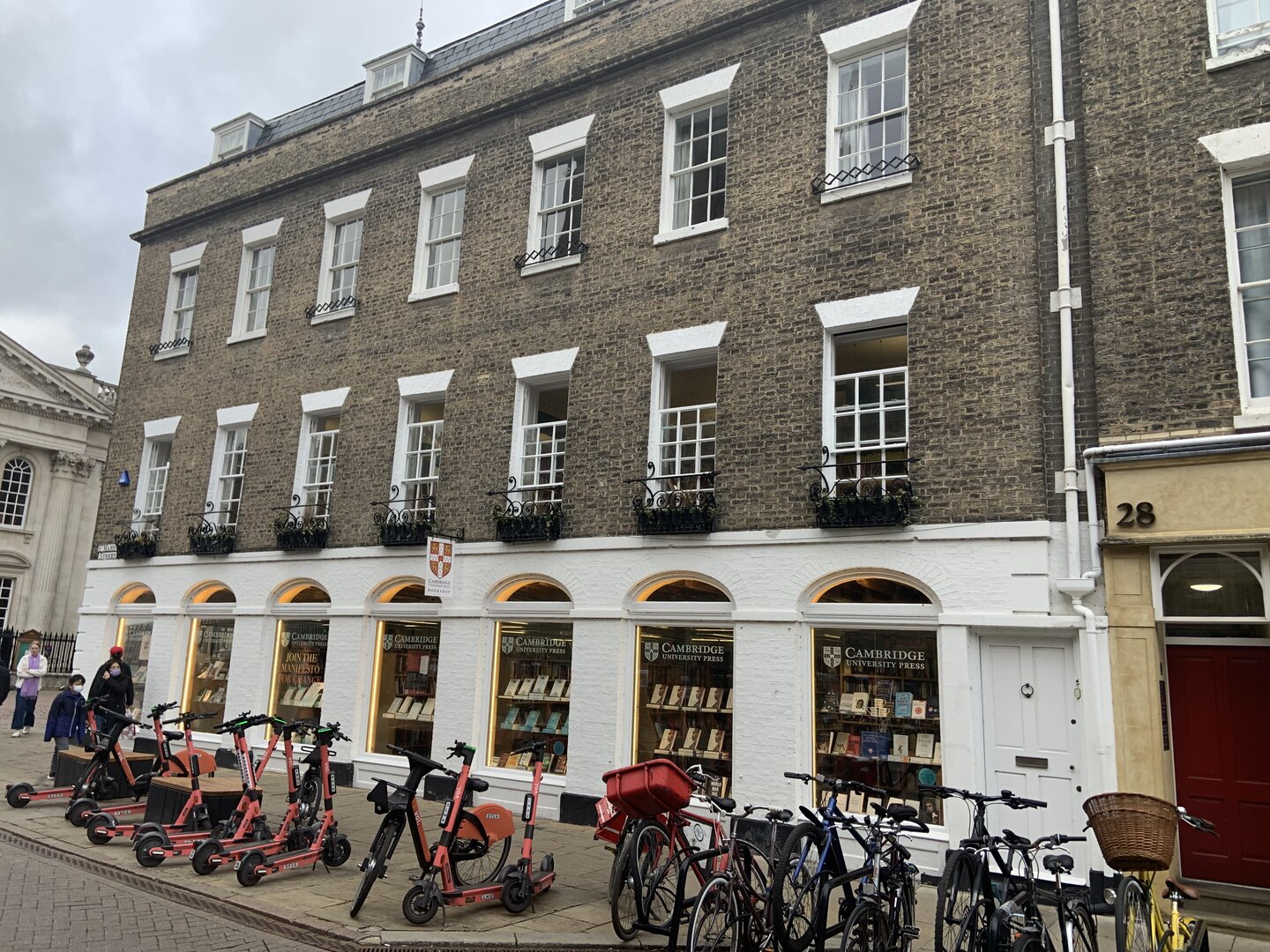
The Numbers: 63p vs 14p – Where Does Your Money Actually Go?
Own or manage a Cambridgeshire business? If you would like your business featured on Cambslist or highlighted in an upcoming local guide, get in touch with our team at hello@camblist.co.uk or call us on 01223 654321. We are always keen to spotlight outstanding local trade.
Rigorous economic studies conducted by organizations like the New Economics Foundation (NEF) and the Federation of Small Businesses (FSB) consistently demonstrate a stark difference between local spending and corporate spending:
- Local Independent Spending: On average, for every £1 spent with an independent small business in the UK, approximately 63p remains within the local economy.
- National Corporate Chain Spending: For every £1 spent at a national supermarket chain or online retail platform, less than 14p stays in the local area. The remaining 86p is siphoned off to corporate headquarters, distant shareholders, offshore tax structures, and international logistics operations.
This means that spending £100 with independent Cambridgeshire trades listed on Cambslist generates nearly 4.5 times more local economic activity than spending the same £100 with a multinational online retailer.
Anatomy of a Spend: Real-World Comparisons
To see how this works in practice, let us trace what happens to money spent in three different scenarios right here in Cambridgeshire:
Scenario A: Spending £100 with an Independent Local Cafe in St Ives
- £35 goes to wages for local staff living in St Ives and Huntingdon.
- £22 goes to local Fenland suppliers for milk, eggs, sourdough, and coffee beans.
- £15 goes to a local Cambridge accountant and local maintenance engineer.
- £12 goes to local business rates and utility services funding local council services.
- £16 remains as owner profit, spent locally on family groceries, dining, and home repairs.
- Total kept in Cambridgeshire: £100.00

Scenario B: Spending £500 with an Independent Local Electrician in Cambridge
- £210 goes to local electrician wages and apprentice pay.
- £140 goes to an independent electrical wholesaler in Chesterton for materials.
- £60 goes to a local vehicle repair shop in Cherry Hinton for van maintenance.
- £45 goes to local insurance brokers and business banking services.
- £45 stays as local business profit reinvested in new local tools.
- Total kept in Cambridgeshire: £500.00
Scenario C: Spending £100 with a Multinational Fast-Food Chain
- £14 goes to minimum wage frontline staff.
- £48 goes to centralized distribution centers outside East Anglia for frozen bulk imports.
- £25 goes directly to overseas franchise fees and corporate brand royalties.
- £13 goes to corporate tax structuring and digital advertising platforms.
- Total kept in Cambridgeshire: £14.00
Macroeconomics of Regional Resilience: Lessons from Economic Downturns
Communities with high concentrations of independent businesses consistently prove more resilient during economic downturns. During national recessions or supply chain disruptions, corporate headquarters often cut regional branch networks with little regard for local fallout. Conversely, local independent owners adapt, negotiate with local suppliers, and fight to keep their doors open and their staff employed.
In Cambridgeshire, our independent networks act as an economic shock absorber. When a local business buys from another local supplier, payment terms can be adjusted collaboratively during tough months, keeping commercial activity moving even when national capital markets freeze.
Why Cambridgeshire Needs a Strong Independent Economy
Cambridgeshire has a unique economic landscape. While famous globally as a hub for technology and scientific research, the day-to-day quality of life for our 680,000 residents relies heavily on small and medium-sized independent enterprises across our cities, towns, and villages.

1. High Street Vitality and Public Safety
Empty, boarded-up storefronts are a blight on any community. When local residents choose independent shops over online delivery, high streets stay active, well-lit, and safe. Active footfall supports nearby cafes, civic museums, and public transport networks, ensuring our town centers remain social hubs rather than desolate commuter corridors.
2. Job Creation and Skills Training
Small and medium-sized businesses are the largest employers in Cambridgeshire. Crucially, independent business owners are far more likely to hire local apprentices, offer flexible working conditions for parents, and provide employment opportunities for young people entering the workforce. They mentor the next generation of plumbers, electricians, chefs, and graphic designers right here in our county.
3. Civic Pride and Philanthropy
When local sports clubs need kit sponsors, when primary schools host summer fetes, or when local charities organize food bank drives, it is overwhelmingly independent local businesses who step up to help. National chains rarely make localized donations without lengthy corporate approval processes, whereas a local business owner can say ‘yes’ on the spot.

Supply Chain Interconnectedness: The Hidden Web of Local Commerce
One of the most valuable aspects of the local multiplier effect is supply chain interconnectedness. Independent businesses tend to buy from other independent businesses. Consider a local pub in Ely:
- It sources cask ale from microbreweries in Milton and Wisbech.
- It buys beef and lamb from Fenland livestock farms.
- It hires a local printer in March for menus and event posters.
- It uses an independent laundry service in Cambridge for table linens.
- It employs a local web designer to maintain its online booking site.
When you support that single pub, you are indirectly supporting dozens of small business suppliers across the entire county. If that pub closes and is replaced by a corporate chain that mandates centralized national suppliers, every single one of those local suppliers loses a contract.
Community Wealth Building: Lessons from Regional Anchor Institutions
Across the UK, regional economic strategists are embracing ‘Community Wealth Building’ – an economic model that encourages public sector anchor institutions (such as local councils, NHS hospital trusts, universities, and housing associations) to harness their substantial purchasing power for local economic benefit.
In Cambridgeshire, anchor institutions spend tens of millions of pounds annually on catering, facilities management, IT services, and building maintenance. When anchor institutions break up massive national contracts into smaller, accessible tenders, independent Cambridgeshire businesses can compete fairly and secure steady commercial revenue.
Five Practical Ways to Increase Your Local Impact Today
Supporting the local multiplier effect does not require a complete lifestyle overhaul. Small, deliberate choices made regularly by thousands of residents add up to millions of pounds staying within Cambridgeshire. Here are five simple habits to adopt:
1. Shift 10% of Your Regular Purchases
You do not need to buy everything locally overnight. Try shifting just 10% of your monthly spending – buy your weekend coffee from an independent local roaster, source your meat from a local butcher in St Ives or Ely, or hire a local gardener instead of a national lawn service franchise.
2. Search Cambslist Before Defaulting to Global Apps
When you need a local trade, home repair, or professional service, search Cambslist first. Connecting directly with a verified local tradesperson ensures your money goes straight to the person doing the work, rather than getting cut down by corporate booking apps.
3. Buy Local Gift Vouchers and Experiences
For birthdays, holidays, and celebrations, consider buying gift certificates from local independent restaurants, craft workshops, or independent bookshops. It keeps gift spending within the local economy while introducing friends and family to great local spots.
4. Support Local Business Services (B2B)
If you own or manage a business in Cambridgeshire, audit your supplier list. Are you using a local printer in Peterborough for your marketing materials? A local accountant in Cambridge for bookkeeping? A local IT company for network support? B2B local spending magnifies the multiplier effect significantly.
5. Leave Genuine Online Reviews for Local Traders
Positive word-of-mouth costs nothing but means everything to a small business. Taking two minutes to write a honest, positive review on Cambslist or social media helps local traders build trust with new customers.
Conclusion: Building a Resilient Cambridgeshire Together
Every financial decision we make as residents is a vote for the kind of community we want to live in. By choosing independent Cambridgeshire businesses, we ensure our high streets remain vibrant, our local tradespeople thrive, and our regional economy stays resilient for generations to come.
At Cambslist, we are proud to provide a transparent, dedicated platform connecting local residents with verified independent businesses across Cambridge, Peterborough, St Ives, Ely, and beyond. Explore the directory today and join us in supporting local trade.
Get Your Business Featured on Cambslist
Whether you run a family-owned shop, a local trade partnership, or an independent professional service across Cambridge, Peterborough, St Ives, Ely, or Huntingdon, Cambslist is here to help local residents discover you.
📧 Email: hello@camblist.co.uk | 📞 Call: 01223 654321
Get Listed or Contact the Cambslist Team
Are you a local business owner looking to expand your reach across Cambridgeshire, or do you have a question about our directory listings? Get in touch with our team directly via our Contact Page or chat with us instantly on WhatsApp.
Discover Local Services Across Cambridgeshire
Looking for verified independent businesses in your town? Explore our business directory categories: